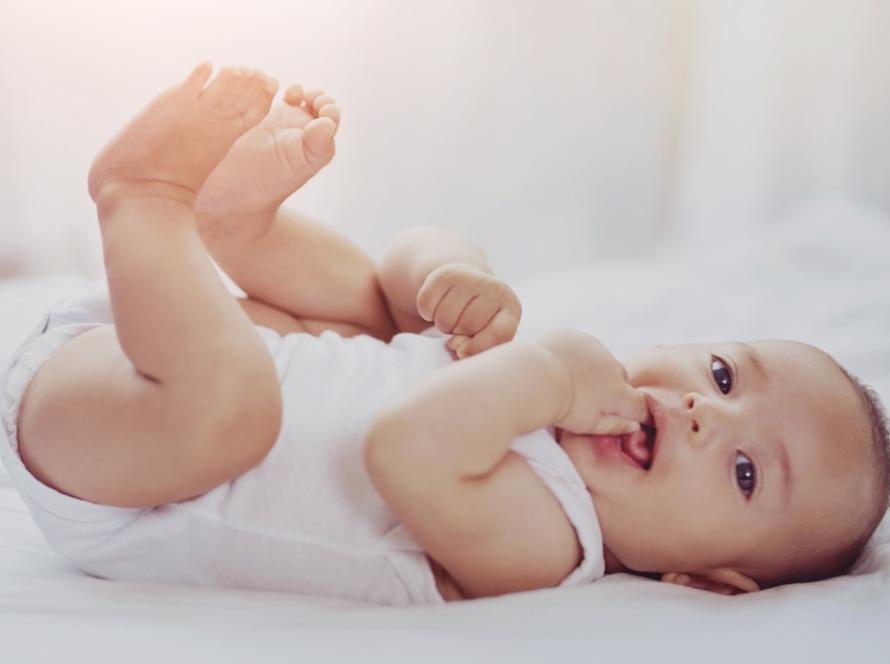
Teething is a natural stage in infant development, often arriving with a parade of symptoms that leave parents guessing: crankiness, drooling, disrupted sleep, and most confusing of all—an apparent fever. But is that rise in temperature really caused by teething, or is something else at play? (Source: Parents, Teething Fever: Is Your Baby Sick or Just Cutting Teeth?, by Holle Actman Becker, updated on April 3, 2023, medically reviewed by Natalie D. Muth, M.D., https://www.parents.com/baby/all-about-babies/a-rise-in-body-temp-during-teething-probably-isnt-a-fever/ ).
There’s an important distinction here: many pediatric experts believe that what parents perceive as a “teething fever” may actually be the result of the child’s immune system beginning to respond to a wider array of pathogens. Around the same age, most babies begin teething, they’re also gaining mobility, mouthing objects, and being exposed to new germs. The timing overlaps—and that’s where confusion sets in.
Toronto Kids Dental shares, “This immune milestone is significant. The body starts reacting to its environment in new ways, and parents often link those reactions to teething when, in fact, it’s the immune system doing its job. Understanding this developmental overlap helps caregivers stay alert without jumping to conclusions.”
When parents confuse a developing immune response—or even a viral infection—with teething, they risk overlooking symptoms that could signal something more serious. Recognizing the difference is essential for safe, confident care.
Does Teething Cause Fever?
A low-grade temperature is sometimes observed during teething, but experts agree that teething alone does not cause a true fever—defined as a temperature over 100.4°F. If a baby develops a high fever during teething, it should be treated as a possible sign of illness rather than dismissed as part of the teething process.
Toronto Kids Dental comments, “We often see parents convinced that their child’s fever is caused by a new tooth, but a high temperature is a red flag that deserves attention. Teething might cause minor inflammation or fussiness, but it should never be an excuse to ignore more serious symptoms.”
Babies may show signs like red cheeks, swollen gums, or increased drooling—common indicators of teething—but those don’t explain systemic issues like fever, diarrhea, or vomiting. Separating dental discomfort from symptoms of illness is crucial to avoid misdiagnosis or delay in care.
Toronto Kids Dental highlights, “This is where good communication between caregivers and healthcare providers makes all the difference. In pediatric dentistry, we help families understand what’s expected during teething and what crosses the line into potential illness. That kind of clarity is foundational to responsible kids oral care.”
Is Your Baby Teething or Sick?
For many families, the real challenge is learning to tell the difference. Teething symptoms are mostly localized—irritated gums, the urge to chew, and mild fussiness. But illness shows up with broader effects: elevated temperature, fatigue, coughing, or gastrointestinal distress.
Some clues that your baby may be teething:
- Excessive drooling
- Gum rubbing or biting
- Mild irritability
- Slight rise in temperature (under 100.4°F)
Some signs your baby may be sick:
- True fever (100.4°F or higher)
- Cough, congestion, or runny nose
- Diarrhea or vomiting
- Loss of appetite or reduced energy
Toronto Kids Dental expresses, “We encourage parents to track symptoms closely. If your child has a combination of signs beyond what’s typical for teething, it’s time to look beyond the gums. Teething doesn’t cause infections necessarily—in most cases, it just happens to occur when the immune system is ramping up.”
Making that distinction can prevent parents from brushing off symptoms that actually warrant medical attention. It also strengthens their confidence in managing teething without unnecessary worry or guesswork.
Toronto Kids Dental notes, “We see the importance of proactive observation every day. Whether it’s identifying early decay or spotting signs of oral discomfort, awareness is the first line of defense in kids oral health. That same mindset helps when dealing with teething-related confusion.”
The key takeaway: teething itself does not cause fever. If your baby’s temperature crosses into fever territory, it should not be attributed to a new tooth. It’s more likely a sign of the immune system responding to a virus, bacteria, or another underlying cause.
Toronto Kids Dental mentions, “By separating fact from fiction, we can guide parents toward smarter decisions and better outcomes. Knowing when to call a doctor or when to offer teething relief is a balance every parent learns—with the right support, it gets easier.”
When parents recognize that teething is just one piece of a much larger developmental puzzle, they’re better equipped to make thoughtful decisions. That’s especially important during infancy, when every symptom feels high-stakes.
Toronto Kids Dental shares, “When families are informed, they’re empowered. And that empowerment extends far beyond teething—it sets the stage for lifelong habits that protect and promote kids oral health. It’s not just about treating teeth; it’s about nurturing awareness, resilience, and confidence from the very start.”