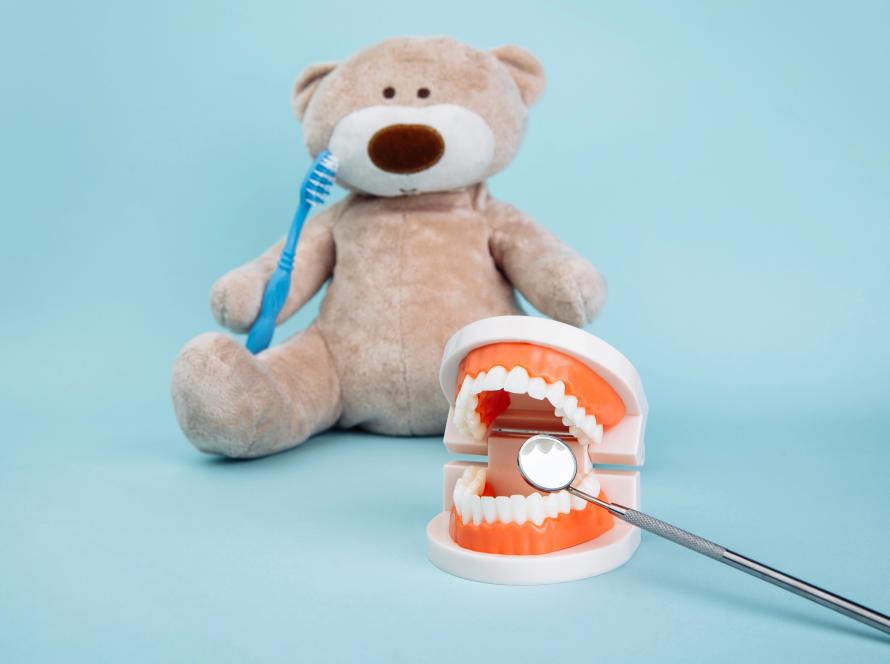
Many parents share common questions about caring for their children’s teeth, especially in the early years when routines are still forming. Topics like thumb-sucking, fluoride, and bottle use come up often because they can influence long-term kids oral hygiene. Clear guidance helps families feel confident as they support healthy habits from the start. (Source: Colgate, Common Questions, https://www.colgate.com/en-ca/oral-health/kids-oral-care/common-questions
Toronto Kids Dental shares, “Early oral care isn’t just about preventing cavities. It’s about helping little ones feel comfortable with daily routines, so brushing and cleaning become natural parts of their day. The earlier the foundation is set, the smoother the habits become as children grow.”
Is Breastfeeding Better than Bottle-feeding in Preventing Early Childhood Cavities?
Breastfeeding and bottle-feeding both have benefits, but cavities can still develop when a child falls asleep with milk in the mouth. Natural sugars can linger on teeth, creating an environment where bacteria thrive. What matters most is keeping the gums and teeth clean after feedings, especially before sleep.
Toronto Kids Dental notes, “Parents are often surprised to learn that milk, even without added sugar, can cling to teeth long enough to cause early decay. A quick wipe of the gums or a gentle brush after feeding keeps bacteria from settling in. These small steps make a big difference in kids’ oral care.”
Is it Okay if My Child Sucks his or her Thumb?
Thumb-sucking is a normal soothing habit for babies and toddlers. Issues typically arise only when the habit continues past the preschool years or when the sucking is intense enough to affect tooth alignment or the bite.
Toronto Kids Dental highlights, “Most children naturally outgrow thumb-sucking on their own. We look for the level of pressure and whether the front teeth begin to shift. Gentle reminders, comfort alternatives, and positive reinforcement work better than trying to stop the habit abruptly.”
Is it Okay for My Baby to Use a Pacifier?
Pacifiers can be a helpful soothing tool, and many parents prefer them because they can control when they’re used. The main considerations involve keeping pacifiers clean, avoiding added sweeteners, and phasing out the habit as the child grows to protect proper jaw and bite development.
Toronto Kids Dental expresses, “Pacifiers can be safe and useful when chosen and used thoughtfully. Shapes that support natural oral development and good cleaning habits help keep bacteria away from delicate gums. Families often find that pacifier routines are easier to adjust than thumb-sucking habits.”
What is the Best Way to Brush a Toddler’s Teeth?
Toddlers need help with brushing because they can’t remove plaque effectively on their own. Using a small, soft-bristled brush and gentle circular motions twice a day helps clean all tooth surfaces.
Toronto Kids Dental shares, “Toddlers love participating, even if they can’t brush well yet. Letting them ‘practice’ with their own brush while a parent does the real cleaning keeps them engaged. Short songs or counting games also help make brushing an easy and predictable part of the day, which strengthens kids’ oral hygiene habits.”
Can I Transmit Harmful Bacteria That Can Potentially Affect My Baby’s Teeth?
Cavity-causing bacteria can transfer from parents to children through shared utensils, toothbrushes, or placing a pacifier in an adult’s mouth before giving it to the baby. Reducing this transfer helps protect a child’s developing teeth.
Toronto Kids Dental comments, “Simple daily actions matter here. Avoiding utensil sharing, keeping pacifiers clean, and maintaining healthy adult oral care all help limit the bacteria young children encounter. Parents often don’t realize how much their own habits shape their child’s oral environment.”
When is a Good Time to Start Using Fluoride Toothpaste for My Child?
Fluoride toothpaste can be used as soon as the first tooth appears, beginning with a tiny smear. As children grow and learn to spit, the amount can gradually increase, offering steady protection against early cavities.
Toronto Kids Dental mentions, “Fluoride often raises questions, but in the right amount it’s a key part of caring for kids’ teeth. Supervision is important at this age, both to guide brushing and to help little ones learn not to swallow toothpaste. These early habits help strengthen enamel during the most cavity-prone years.”
I Use Bottled Water at Home, and It’s Not Fluoridated. Is This Okay?
Many bottled waters don’t contain fluoride, which means children may miss out on a helpful everyday source of enamel protection. Families often benefit from knowing their water source and discussing any concerns with a children’s dentist.
Toronto Kids Dental shares, “Parents often assume all water offers the same benefits, but fluoride levels can vary widely. Understanding what your family drinks each day helps you make informed decisions. A quick conversation with a children’s dentist can clarify whether adjustments or supplements might support stronger teeth.”
Parents’ most common questions reflect how deeply early habits influence long-term kids’ oral hygiene. From feeding choices to brushing routines, small steps each day help children grow up with healthy teeth and confident habits.
Toronto Kids Dental notes, “Families don’t need complicated routines to support strong oral health. What they need is clear, consistent guidance that fits real life. When parents feel informed, kids’ oral care becomes simple, steady, and stress-free.”