Every season affects your child’s routine. Winter slows things down. Summer gets the attention for sports and travel. But spring? Spring is the reset button.
It’s the season when kids start moving and snacking more and spending more time outside. That shift matters more than most parents realize, especially when it comes to teeth.
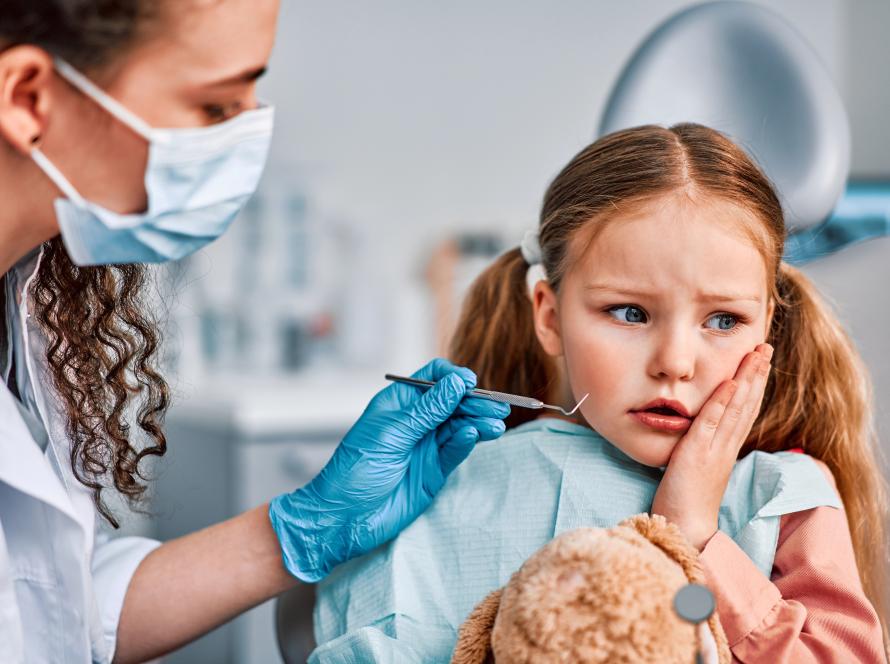
If you’ve been thinking about a dental sealant procedure, spring may be the ideal time to schedule it. Here’s why protection matters most during high-motion seasons and how timing can make a real difference.
What Actually Changes in Spring?
Spring isn’t just warmer weather. It’s a lifestyle shift.
- Sports practices ramp up
- After-school activities increase
- Outdoor play stretches later into the evening
- Snack breaks happen more often
- Routine bedtimes sometimes get looser
More activity usually means more quick snacks. Granola bars before soccer. Juice boxes after practice. Fruit snacks at the park. These aren’t “bad” choices, but frequent eating gives cavity-causing bacteria more opportunities to do their work.
When kids are constantly on the go, brushing can get rushed. That’s where the back molars become vulnerable. Their grooves are deep and sticky, and they trap food easily.
A dental sealant procedure adds a protective coating over those grooves, acting like a shield during the busiest stretch of the year.
Spring Is Prime Cavity Season (and Most People Don’t Realize It)
Many parents associate cavities with Halloween candy or summer ice cream. But studies consistently show that cavity risk increases during periods of routine change.
Spring has three big risk factors:
- Increased snacking frequency
- Hydration with sports drinks instead of water
- Disrupted brushing consistency
When these stack together, enamel takes a hit.
Scheduling a children’s dental checkup in early spring allows the pediatric dentist to spot early signs of decay and apply sealants before small problems turn into summer emergencies.
Think of it like putting sunscreen on before you head to the beach, not after the first burn.
The Back-to-School Rush Is Too Late
Many families wait until late summer for a children’s dental checkup because schools require updated forms. By then, kids have already had months of heavy activity and snack exposure.
Spring gives you a head start.
Sealants work best on healthy, newly erupted molars. Applying them before decay begins is easier, less invasive, and more cost-effective.
If your child is around ages 6 or 12, those are common times for permanent molars to erupt. A spring appointment lets your dentist evaluate whether a dental sealant procedure is appropriate at just the right stage.
Why High-Motion Seasons Increase Risk
When kids move more, they:
- Snack more frequently
- Sip drinks over longer periods
- Skip flossing because they’re tired
- Fall asleep faster without a thorough brushing
It’s not laziness. It’s momentum.
During high-motion seasons, kids’ oral hygiene becomes reactive instead of intentional. Parents are focused on schedules, carpools, uniforms, and homework.
Sealants act as passive protection. They don’t rely on perfect brushing technique. They protect the hardest-to-clean areas even when routines get messy.
That’s why timing matters. Protection should match lifestyle shifts.
Spring Is Also Mentally Lighter
There’s another angle most people overlook: stress timing.
Winter often brings illness, holidays, and schedule overload. Summer brings travel and childcare juggling. Fall brings school adjustment.
Spring sits in a sweet spot. It’s steady enough to schedule appointments but active enough that prevention matters.
Parents are often more proactive in spring. There’s energy to “clean things up,” declutter, and reset habits. Including a children’s dental checkup as part of that seasonal reset makes sense.
It’s easier to reinforce better kids’ oral hygiene when routines are shifting anyway.
The Dental Sealant Procedure Is Quick and Simple
If you’ve never scheduled one, here’s what to expect:
- The tooth is cleaned
- It’s dried and prepared
- The sealant material is painted on
- A special light hardens it
No drilling. No numbing. No recovery time.
The whole dental sealant procedure usually takes just a few minutes per tooth.
Once applied, sealants can protect molars for several years. They’re especially helpful for children who are still learning proper brushing technique.
A Smarter Prevention Strategy
Prevention works best when it’s timed with risk.
Spring is when:
- New molars may have recently erupted
- Activity levels increase
- Snacking patterns change
- Routines loosen
Instead of reacting to cavities in the fall, you can strengthen protection ahead of time.
During your next children’s dental checkup, ask your dentist whether your child’s molars would benefit from sealants. Even if sealants aren’t needed yet, spring is a good moment to evaluate brushing habits and reinforce strong kids’ oral hygiene practices before summer hits.
Small Timing Choices Make Big Differences
Parents often think prevention is about products. The right toothbrush. The right toothpaste. The right floss.
But timing matters just as much.
Applying sealants before decay starts, scheduling a children’s dental checkup before summer schedules explode, and reinforcing kids’ oral hygiene habits before late nights begin can reduce stress later in the year.
Spring isn’t just a season. It’s a window.
And when it comes to protecting your child’s teeth, it might be the most strategic one you’ve got.