Halloween candy may receive most of the attention, but fall often creates a wider challenge for children’s teeth. Thanksgiving desserts, classroom treats, birthday parties, and seasonal drinks can occur within the same few weeks. Each celebration may be short, yet together they create what can be described as a “sugar density spike”—many separate sugar exposures compressed into a limited period.
Understanding this pattern can help families protect kids’ oral hygiene without removing the enjoyment from every celebration.
Why a Short Treat Season Can Have a Lasting Effect
Cavity risk is influenced by more than the total amount of sugar a child eats. How often teeth are exposed matters too. When oral bacteria process sugars and other fermentable carbohydrates, they produce acids that temporarily lower the mouth’s pH. Repeated snacking can initiate another acid-producing period before the mouth has had enough time to recover.
This is why one dessert eaten with Thanksgiving dinner may affect the teeth differently than the same dessert grazed on throughout the afternoon. The fall calendar can intensify this pattern:
- Candy arrives at school or home after Halloween.
- Leftovers remain available for several days.
- Birthday treats interrupt regular snack routines.
- Sweetened seasonal drinks introduce additional exposures.
- Thanksgiving desserts extend across a long weekend.
The concern is not one dramatic “sugar attack.” It is the shrinking number of recovery periods between treats.
The Candy Bowl Changes More Than Quantity
A visible bowl of candy can turn one celebration into a grazing routine. A child may take a small piece after school, another while watching television, and another before bed. Although each serving appears minor, every occasion creates another opportunity for acid production.
Sticky sweets can also remain in the grooves of molars or between closely spaced teeth. Caramels, gummies, and soft fruit candies may be harder to clear than foods that leave the mouth quickly. However, texture is only part of the equation. A non-sticky sweet eaten repeatedly can still contribute to cavities in children.
Rather than letting treats remain continuously available, choose a defined treat time—preferably with or shortly after a meal. Increased saliva flow during meals helps clear food particles and buffer acids.
Seasonal Drinks Can Hide Additional Exposures
Fall sugar is not always eaten. Hot chocolate, sweetened apple drinks, flavoured milk and café-style seasonal beverages may be sipped slowly during outings or activities. Prolonged sipping repeatedly bathes the teeth in sugar and, depending on the beverage, dietary acids.
Water is the most tooth-friendly choice between meals. Keeping sweet beverages within a defined meal or snack period reduces how long the exposure lasts.
Why Brushing Harder Is Not the Answer
After several days of treats, some families may try to compensate with aggressive brushing. More pressure does not provide more protection and may irritate the gums. Consistency is more valuable:
- Brush twice daily with an age-appropriate amount of fluoride toothpaste.
- Clean between teeth where toothbrush bristles cannot reach.
- Supervise younger children who may miss back molars or rush.
- Make the bedtime brushing session non-negotiable.
- Avoid food and sweet drinks after nighttime brushing.
Children should spit out toothpaste rather than swallow it. Individual fluoride recommendations can be discussed with a dental professional.
What a Kids Dental Cleaning Can—and Cannot—Do
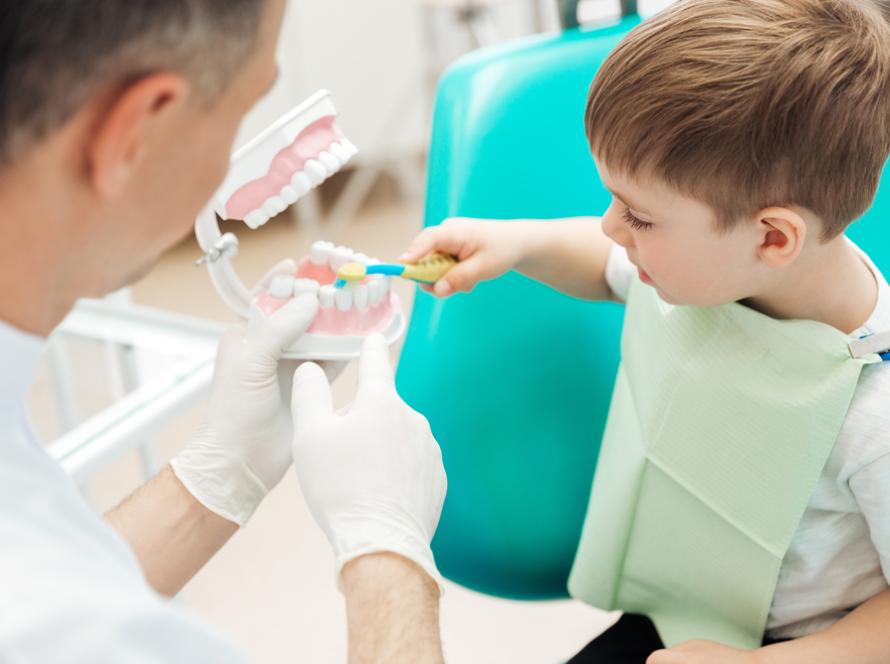
A professional dental cleaning for kids effectively removes plaque and hardened deposits that regular brushing may leave behind. It also creates an opportunity to identify areas where plaque repeatedly collects and assess whether changes in the enamel require closer attention.
However, a cleaning does not erase weeks of frequent sugar exposure or reverse an established cavity. The strongest approach combines preventive dental care with daily kids’ oral hygiene, fluoride exposure, and more structured treat timing.
Turn Fall Treats Into Planned Moments
The goal is not to make celebrations feel clinical. It is to keep a special occasion from becoming a month-long grazing pattern. Let children choose favourite treats, serve them at a defined time, and then return to the usual routine.
If your child is due for a kids dental cleaning, Toronto Kids Dental can help assess their oral health and provide preventive guidance tailored to their age, habits and individual cavity risk.