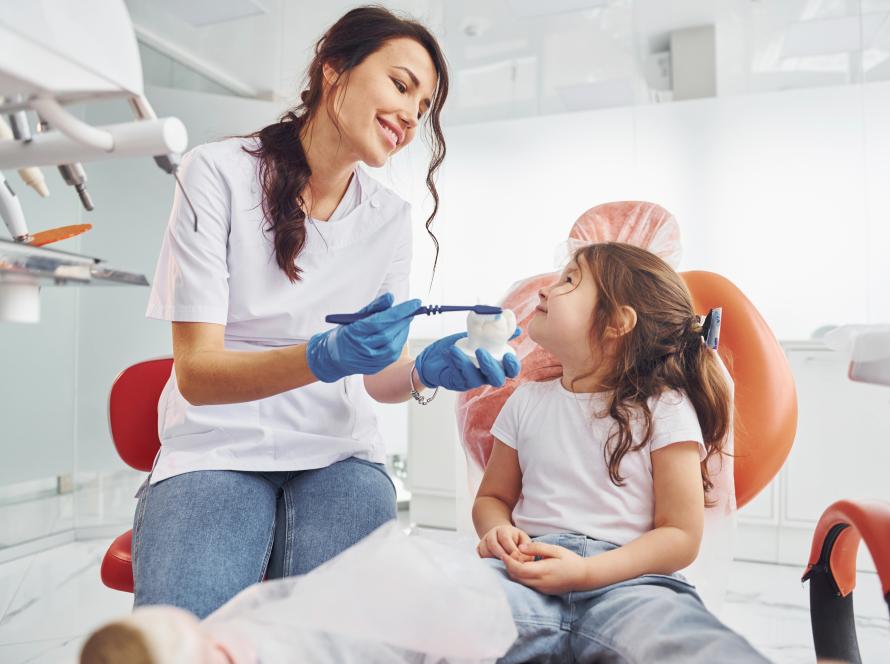
The first day of school, camp, a new activity, or even a new classroom can bring a mix of excitement and nerves. Parents often focus on clothing, supplies, schedules, and emotional preparation, but there is another factor that can quietly influence a child’s confidence: oral comfort.
When children feel comfortable speaking, smiling, laughing, and interacting with others, they are often more willing to engage socially and participate in new experiences. While confidence is shaped by many factors, kids’ oral care plays an important role in helping children feel comfortable in their everyday lives.
Rather than focusing solely on cavities or brushing routines, it can be helpful to look at oral health through the lens of confidence, communication, and comfort.
The Hidden Connection Between Oral Comfort and Confidence
Many people think of oral health as something that only matters during dental visits. In reality, a child’s mouth is involved in nearly every social interaction throughout the day.
Children talk, laugh, ask questions, sing songs, read aloud, and make new friends. If something feels uncomfortable in their mouth, they may become more self-conscious without even realizing why.
For example, children may feel distracted by:
- Food trapped between teeth
- Mild gum irritation
- Persistent dry mouth
- Bad breath concerns
- A loose tooth that feels uncomfortable
- Sensitivity to hot or cold foods
While these issues may seem minor to adults, they can feel significant to children who are navigating social situations and building self-confidence.
Strong kids oral hygiene habits help reduce many of these everyday discomforts, allowing children to focus on learning, playing, and connecting with others.
Confidence Isn’t Just About Appearance
When people hear the phrase “healthy smiles,” they often think about how teeth look. However, confidence is frequently tied more closely to how a child feels than how their smile appears.
A child who feels comfortable speaking in class may be more likely to raise their hand.
A child who feels comfortable laughing with friends may be more willing to join group activities.
A child who feels comfortable eating lunch may feel less anxious during social interactions.
This perspective shifts the conversation away from appearance and toward function and comfort. The goal of kids oral care is not perfection. It is helping children feel at ease using their smile throughout the day.
The “First-Day Smile” Effect
The first day of any new experience often creates heightened self-awareness.
Children notice how they look, how they sound, and how they interact with others. This heightened awareness can make small oral discomforts feel much larger.
Think about a child who is:
- Starting a new school year
- Attending summer camp
- Joining a sports team
- Participating in a performance
- Meeting new classmates
During these moments, children may be especially conscious of anything that feels unusual.
Maintaining good kids’ oral hygiene before major transitions can help create a smoother experience. Consistent brushing, flossing, hydration, and healthy eating habits can reduce avoidable discomfort and help children approach new situations feeling more prepared.
Why Routine Matters During Times of Change
Interestingly, confidence challenges often appear when routines are disrupted.
Summer vacations, holidays, travel, sleepovers, and schedule changes can all affect oral health habits. Bedtimes become less predictable. Meals happen at unusual times. Brushing routines may become rushed or forgotten.
When children return to structured environments, those small routine changes can sometimes show up as:
- Increased plaque buildup
- Dry mouth from dehydration
- Gum irritation
- Lingering food debris
- Less consistent oral cleanliness
One creative way to think about kids’ oral care is to view it as an anchor during periods of change. Even when schedules shift, maintaining a consistent morning and evening oral hygiene routine provides a sense of familiarity and stability.
Children often respond positively to routines that remain predictable when other aspects of life are changing.
Small Daily Habits Create Big Confidence Benefits
Confidence does not suddenly appear on an important day. It is often built through small daily experiences.
Simple habits that support healthy smiles include:
Staying Hydrated
A well-hydrated mouth generally feels more comfortable throughout the day. Drinking water helps flush away leftover food particles and encourages the production of saliva, which keeps the mouth feeling fresh.
Encouraging Thorough Brushing
Effective brushing removes plaque and helps children feel fresh and clean before heading into school or activities.
Establishing Consistent Bedtime Routines
A predictable evening routine helps reinforce healthy oral habits and reduces the likelihood of rushed brushing.
Choosing Smile-Friendly Snacks
Crunchy fruits and vegetables can be enjoyable snack options while encouraging children to think positively about oral health.
Making Oral Care Positive
Children are more likely to retain healthy habits when oral hygiene feels empowering rather than stressful.
These seemingly small actions contribute to both kids’ oral hygiene and overall comfort.
Helping Children Feel Proud of Their Smile
One overlooked aspect of confidence is ownership.
Children often become more invested in oral health when they feel involved in the process rather than simply being told what to do.
Parents can encourage participation by allowing children to:
- Choose their toothbrush colour
- Pick a favourite toothpaste flavour
- Track brushing habits on a calendar
- Set personal oral health goals
- Celebrate consistency rather than perfection
These strategies help children view kids’ oral care as something they actively participate in rather than something imposed on them.
Over time, that sense of ownership can translate into greater confidence and responsibility.
Looking Beyond the Teeth
When discussing healthy smiles, it is easy to focus only on teeth. However, confidence often comes from a broader sense of comfort and well-being.
A child who feels physically comfortable is often better positioned to engage socially, communicate clearly, and embrace new opportunities.
Whether it is the first day of school, the start of camp season, or the beginning of a new activity, oral comfort can quietly support a child’s ability to smile, speak, and connect with confidence.
By prioritizing consistent kids oral care, supporting strong kids oral hygiene habits, and encouraging positive daily routines, parents can help children approach new experiences with greater comfort—and often, a little more confidence in every smile.